
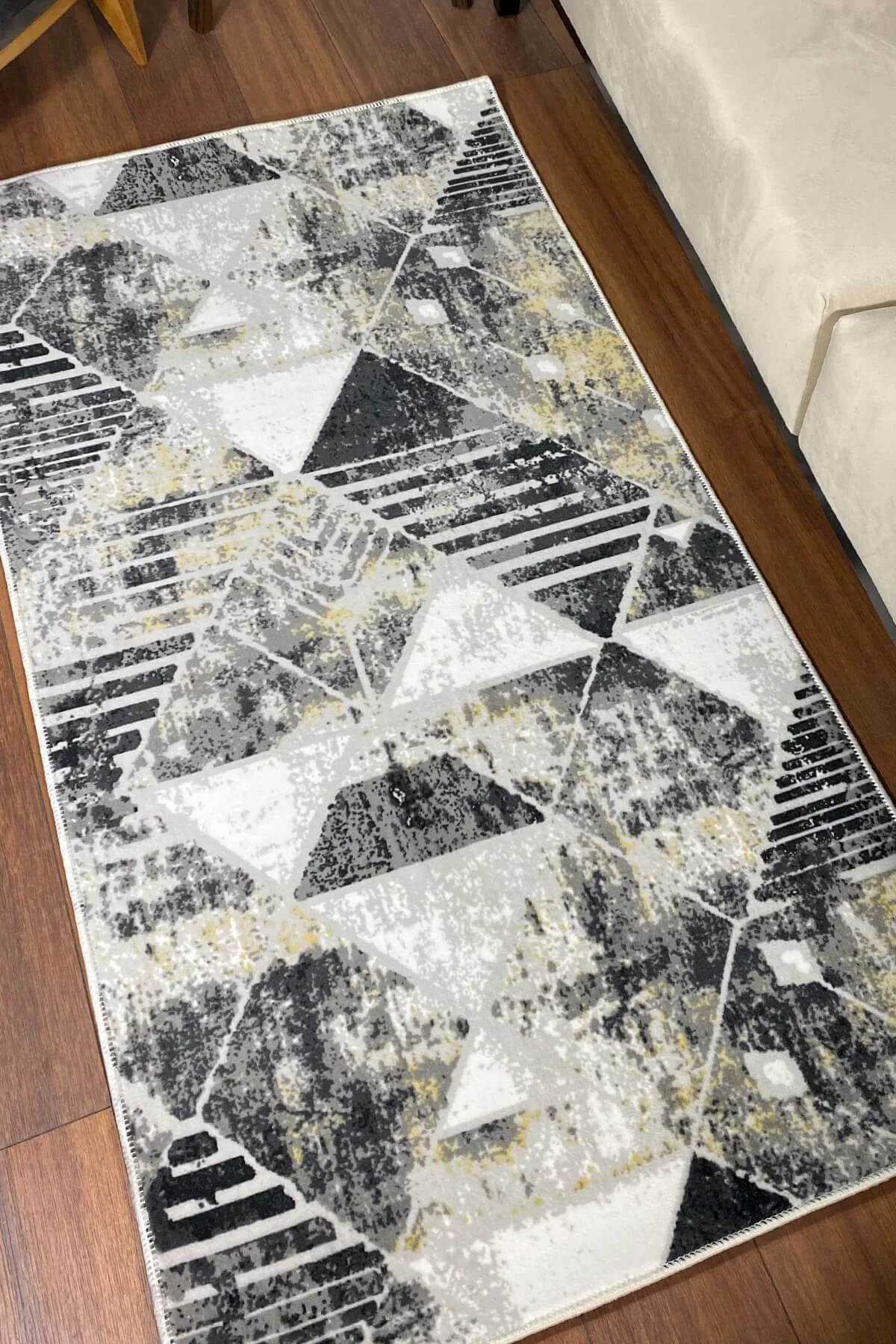
Floor coverings play a significant role both at workspaces and in private areas.
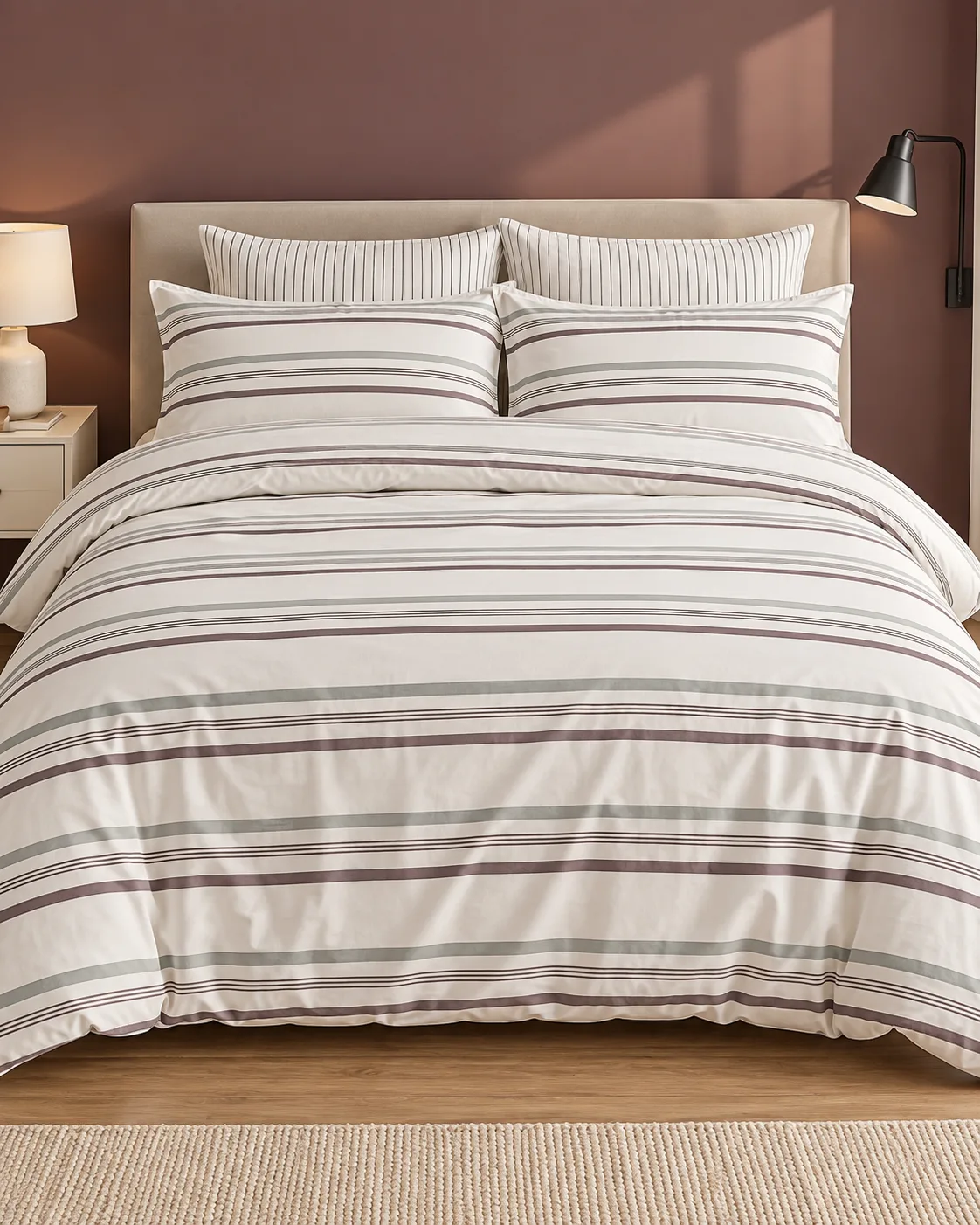
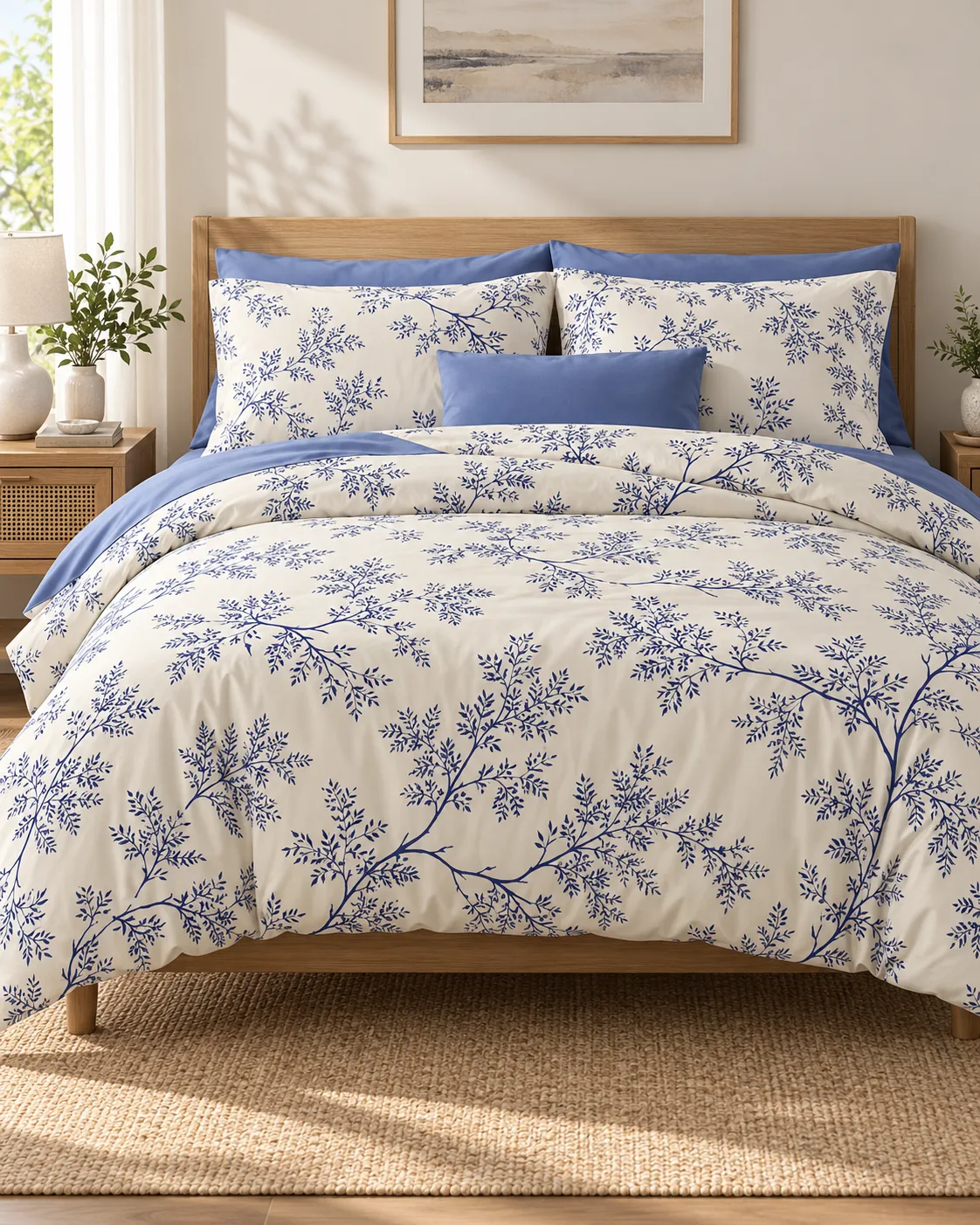
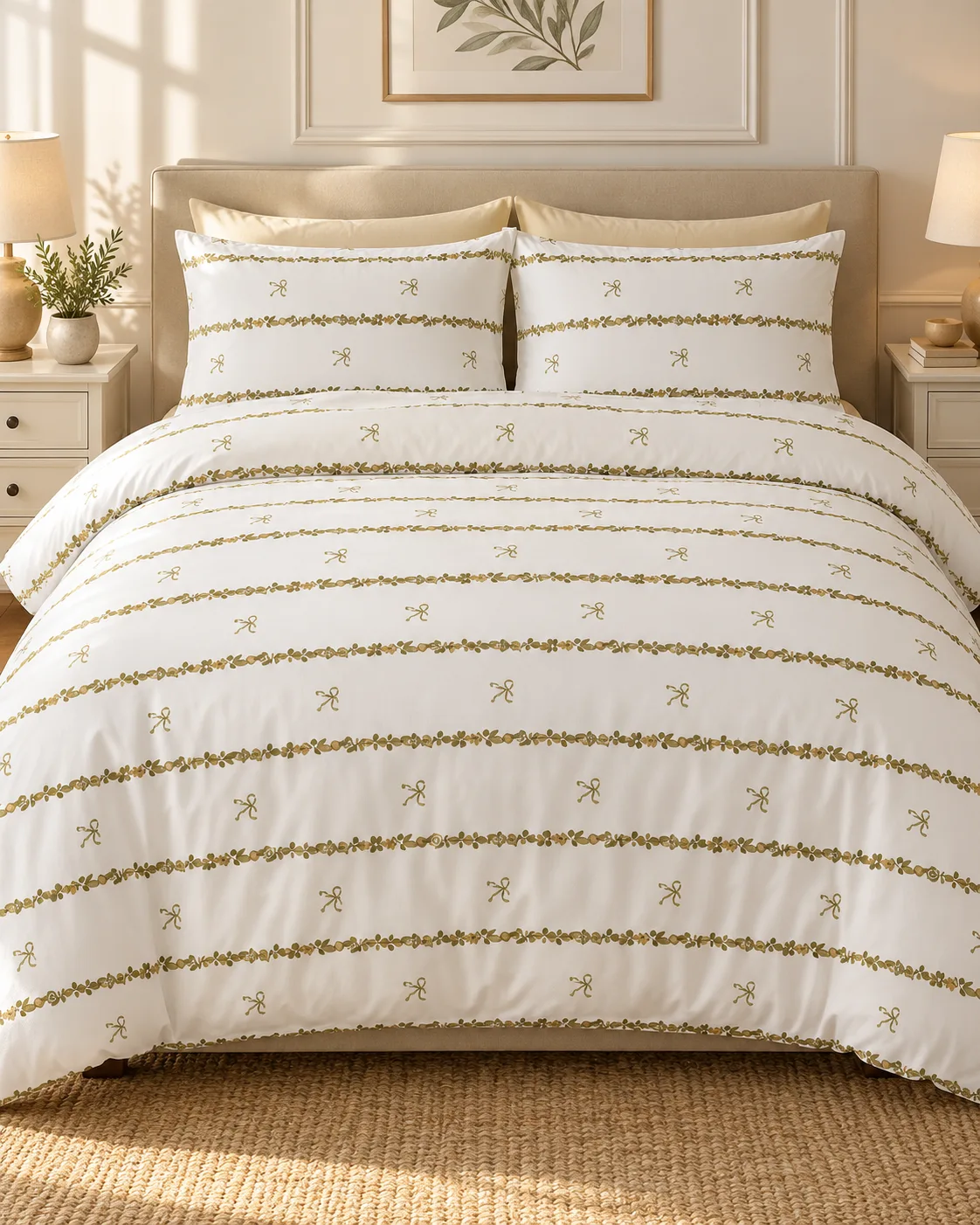
The trend of using floor coverings in kitchens, especially in modern hotels, is increasingly gaining popularity due to rising demand. Kitchen floor coverings provide an extra layer of safety aesthetically and practically, enhancing the overall appearance of the interior.
Static-Resistant and Flame Retardant
Kitchen floor coverings must be static-resistant, providing protection against electrical charges. Flame retardancy is another crucial feature for kitchen floor coverings, especially for those that prefer water and oil in kitchens.
Acoustic Solution
Acoustic floor coverings can help reduce noise levels in the kitchen by muffling sounds produced by appliances, creating a more comfortable environment.
Cleaning and Maintenance
Kitchen floor coverings require regular inspection and maintenance to ensure cleanliness and longevity. Those with high water and oil content need frequent cleaning to maintain their condition. Static-resistant and flame-retardant materials also help remove particles from the kitchen environment caused by the use of appliances.
Material Selection
- Textile Types: For institutional kitchens, a blend of polyester, polypropylene, and cotton is commonly used. These materials should be flame retardant and static-resistant.
- Kitchen Types: Specialized materials are used to maintain the dryness of kitchen floors. This is particularly important in situations where water is present in high quantities.
Purchase Recommendations
When purchasing kitchen floor coverings, it's advisable to look for discounts based on square meters or unit quantity. Hotel managers or project/maintenance offices should pay attention to both style and technical features when buying these coverings.
The most suitable sizes range from 1.2x0.8m to 2x1.5m, with discount rates typically between 10% and 30% per unit.
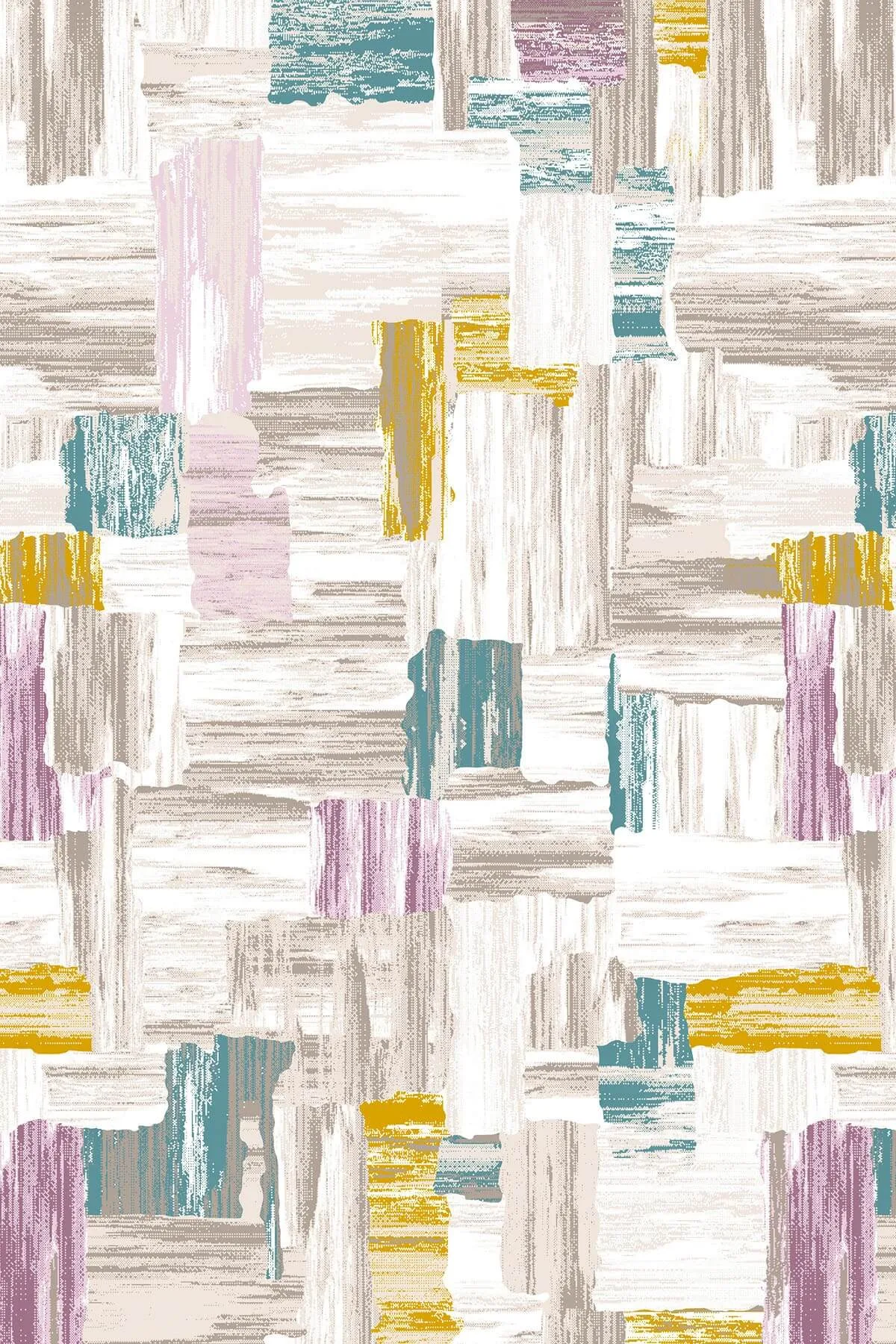
Sultan Rugs
Follow us on social media for the latest collections, special discounts, and decoration ideas.